How to Know If Your Pressure Washing Job Was Done Right
Most homeowners assume that if the driveway looks better when the crew drives away, the job was done right. That assumption can lead to real problems before the week is out.
Surface damage from excessive pressure, chemical residue left on windows, and organic growth that returns in three weeks because it was never treated properly: these are all outcomes of a job that looked fine at first glance.
This guide, put together by the team at Atlas Pro Wash in Cumming, GA, covers what to inspect after a wash and what each specific problem point refers to in terms of how the job was done.
TL;DR — 7 Pressure Washing Mistakes That Cause Home Damage
- Surface type determines method. Concrete and wood require different pressure levels and techniques.
- Results should be consistent. Streaking, missed sections, or hazing after drying are signs the job fell short.
- Property protection matters as much as the cleaning itself. Plants, windows, and exterior fixtures need attention before chemicals run.
- A professional crew walks the property with you after the job and addresses anything missed on the spot.
What Should Happen Before the Crew Starts
The Pre-Job Surface Assessment
Before any water runs, a professional crew identifies the materials they are working with. Vinyl siding, painted wood, concrete, roofing shingles, and stucco each require different PSI settings and nozzle types. Running 2,800 PSI on a surface that needs 400 PSI causes damage that cannot be undone.
If no one walks the property before the equipment starts running, that is the first sign that something is off. A surface assessment takes five minutes and determines every other decision the crew makes.
Property Prep Steps a Pro Takes Before Washing
Preparation separates a professional job from a fast one. Before chemical application begins, the crew should pre-wet adjacent plants and shrubs to dilute any detergent runoff that reaches the soil. Windows and exterior fixtures need covering or masking, particularly outlets, light fixtures, and junction boxes near the roofline.
Vehicles in the driveway, potted plants, patio furniture, and any loose items near the wash area should be moved before equipment is set up. When a crew skips these steps, they are signaling how the rest of the job will go.
Matching the Method to the Material
Concrete Driveways and Pavement
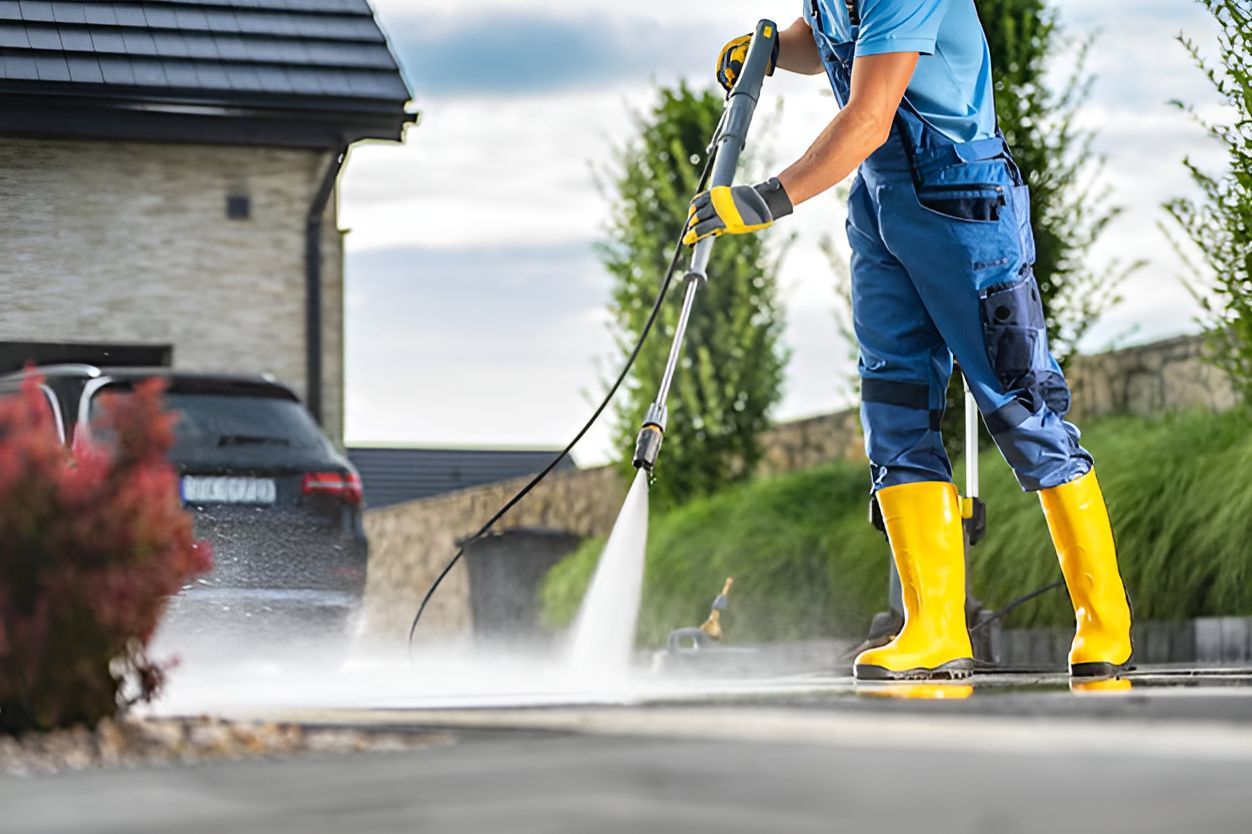
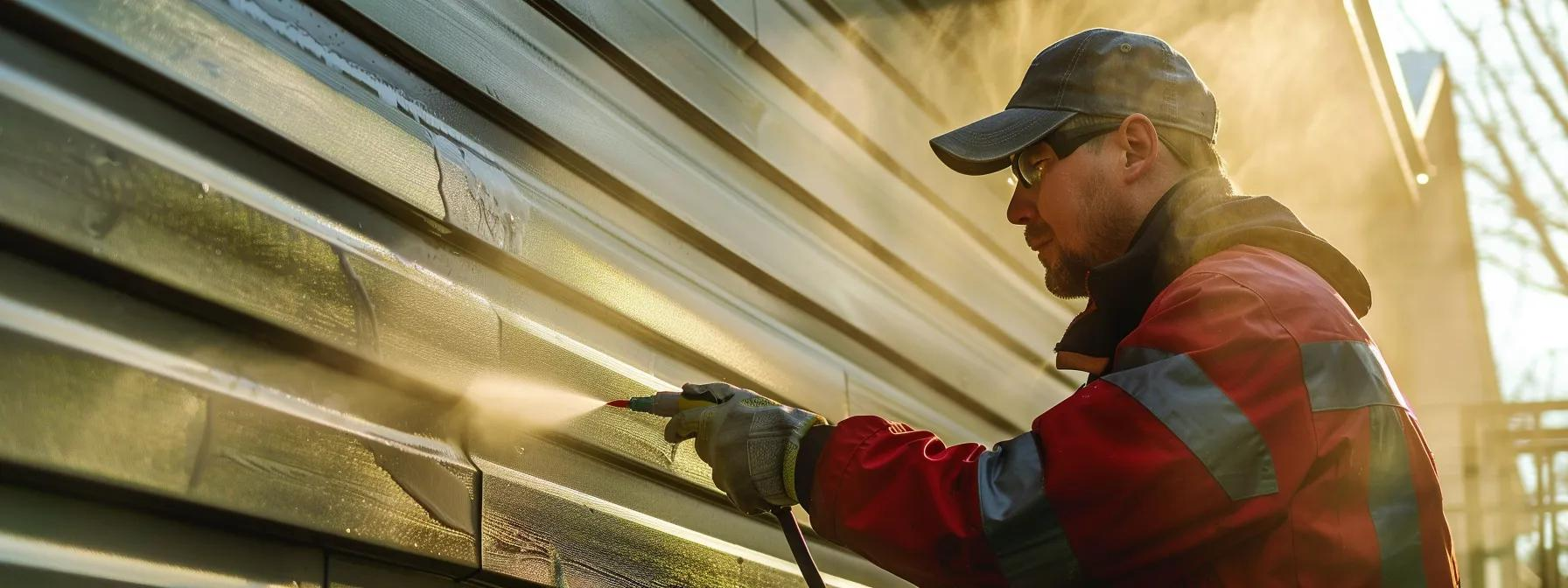
Concrete responds well to high-pressure washing, but the technique matters. Professional concrete cleaning uses surface cleaner attachments that spin two nozzles in a circular pattern, producing even coverage without the wand-stripe marks that a single-pass approach leaves behind.
Detergent with appropriate dwell time is standard on stained or heavily soiled concrete. After the slab dries fully, uniform color indicates consistent coverage. Bands of lighter and darker sections mean the equipment was moved too fast or the pressure was inconsistent.
Wood Decks and Fences
Wood requires considerably lower PSI than concrete, typically in the 500 to 1,200 PSI range, depending on wood species and age. Exceeding that raises the grain and can splinter older boards already weakened by weathering, leaving the surface rough to the touch.
A good crew pre-inspects soft or rotted sections before running any equipment. After the wash dries, the grain should look clean and open with consistent color throughout.
Siding, Stucco, and Painted Surfaces
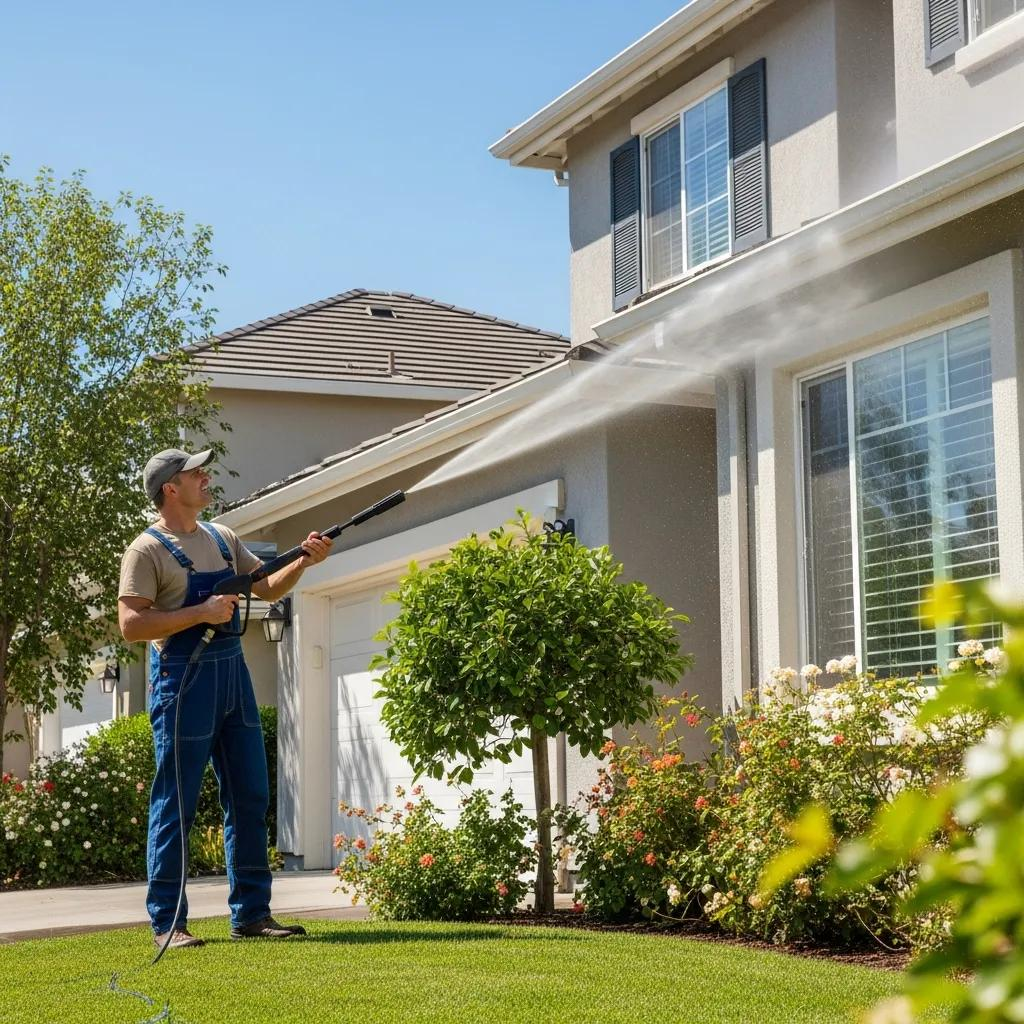
Soft washing is the correct method for these surfaces. It combines pressure under 500 PSI with a biodegradable cleaning solution that breaks down algae, mildew, and oxidation at the surface level. High-pressure application on vinyl siding forces water behind panels, creating moisture intrusion that leads to mold growth inside the wall cavity and can void siding manufacturer warranties.
On painted surfaces and stucco, high-pressure cracks the coating and leaves spiderweb fractures that require patching before repainting. Correctly applied soft wash leaves siding with uniform color and no streaking from the eaves down.
Signs the Job Was Done Correctly
Wait 24 to 48 hours after the job before doing your final inspection. Surfaces look different when wet, and some issues only appear after full drying.
Driveways and Walkways
Oil stains, tire marks, and green organic buildup should be gone or significantly reduced. Inspect the edge lines, expansion joints, and corners carefully. A rushed crew skips these first because they require slowing down and repositioning equipment. No visible wand lines or uneven light-to-dark bands should appear across the slab surface.
House Exterior and Siding
Look at the siding from about 20 feet away with the sun at an angle. Uneven sections show clearly in raking light. Siding should be uniform in color with no white residue or vertical streaking running down from the eaves. Window frames and trim should be free of detergent film. Run a finger along the frame. If it feels chalky or slick, residue remains.
Decks, Patios, and Fences
Surface color should be consistent throughout, with no darker zones or blotchy patches. Hardware, screws, and fasteners should still sit flush after the wash. High-pressure application near metal fasteners can loosen them or displace sealing compounds around screw heads.
Check the
before-and-after results in the Atlas Pro Wash gallery to understand what properly completed jobs look like on comparable surfaces.
Red Flags That Indicate a Poor Job
Surface Damage
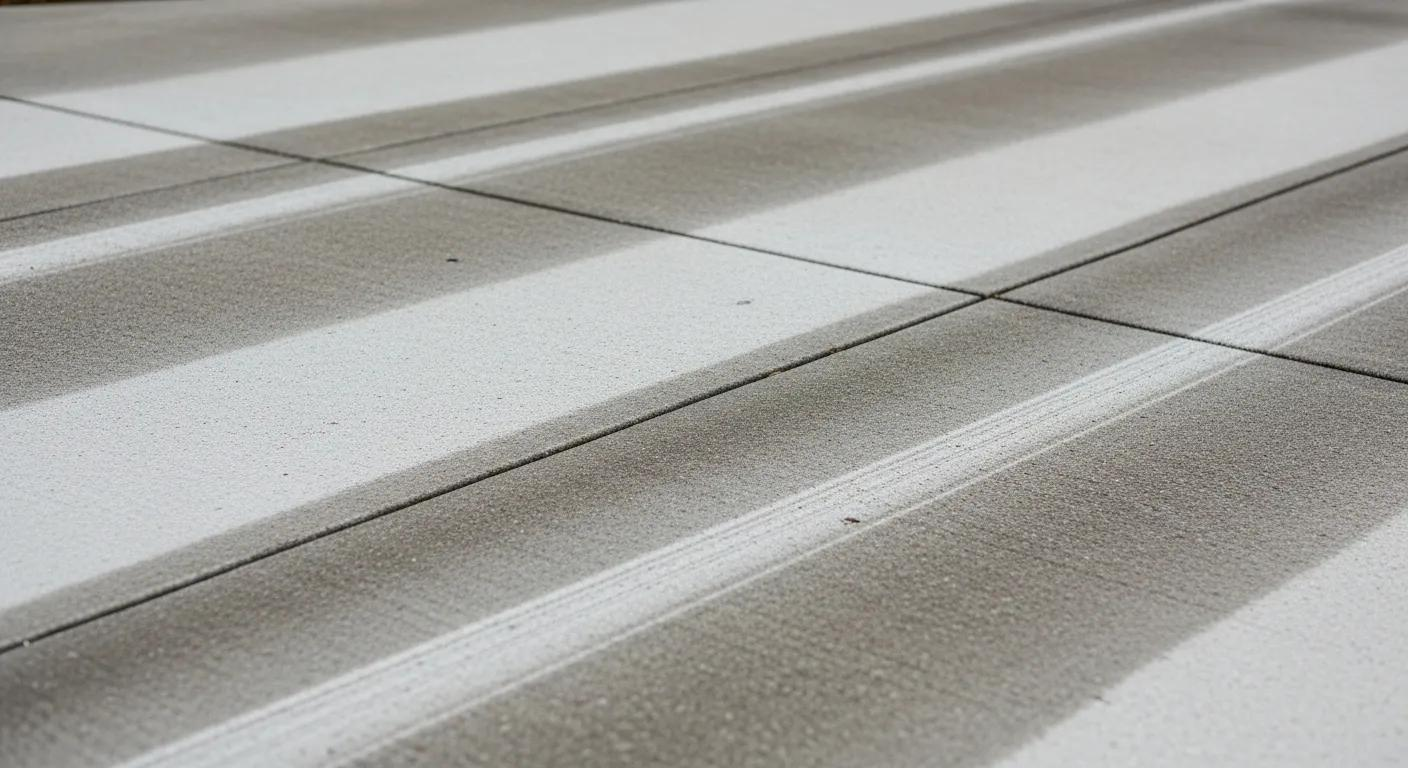
Etching or pitting on concrete is a direct consequence of excessive pressure applied at too close a range. Once concrete is pitted, the damage is permanent without resurfacing. On wood, raised grain and splinter damage leave the deck rougher than before the wash, which accelerates weathering and makes the surface more prone to absorbing moisture.
Peeling paint or cracked stucco after a pressure wash points to high-pressure application on the wrong surface. Spiderweb cracking in stucco is a known and specific consequence of direct high-pressure contact and requires patching before the surface can be sealed or painted.
Incomplete Coverage
Algae and black streaks still visible in corners, along roof edges, or under eaves mean the crew either skipped those areas or did not apply chemical treatment to biologically active growth. Growth, the crew only rinsed with water, without chemical treatment, can return in as little as two to three weeks in Georgia's humid conditions.
Corner soffits, the underside of deck boards, and low-traffic areas like the back of fences are the first spots cut when a crew is rushing. Inspect them specifically rather than assuming they were covered.
Chemical Residue and Runoff
White hazing on windows or siding after the surface dries indicates detergent was not fully rinsed. Dead grass patches or bleached mulch near the wash area mean runoff was not controlled during chemical application. A pungent chemical smell lingering more than 24 hours after the job typically points to over-application or an incomplete rinse.
Property Protection: What to Check Before and After
Landscaping and Plant Beds
The crew should pre-wet plants and shrubs nearest to hard surfaces before applying any cleaning solution. Pre-wetting dilutes the chemical contact and reduces absorption through the roots. Wilting or browning in the two to three days after the job usually indicates the crew didn't manage runoff during the wash.
Windows and Exterior Fixtures
The crew should remove or mask window screens before washing near them. Screen mesh holds detergent residue and then transfers it back to the glass when it rains, leaving streaks that require direct cleaning to remove. Exterior light fixtures, outlets, and door hardware should show no signs of water intrusion after the job.
For homes that include window cleaning as part of the service, see exterior window cleaning to understand what that process involves separately from pressure washing.
The Post-Job Walkthrough
A professional crew completes a walkthrough with the homeowner before packing up equipment. They identify any missed sections or surface concerns on the spot and resolve them before leaving, rather than scheduling a callback for next week. If the crew begins loading equipment without initiating a walkthrough, ask for one before signing off. A company that does good work is not threatened by that request.
Questions to Ask Before You Hire
These questions are not a formality. The answers reveal whether a company understands the work or is guessing.
What method do you use on vinyl siding, pressure or soft wash, and why?
The correct answer is soft wash with a biodegradable solution. Any answer that describes running standard pressure directly on siding is a red flag.
Do you pre-wet plants and shrubs before applying the cleaning solution?
This should be a default step, not something they do on request.
What PSI do you run on concrete versus wood surfaces?
A knowledgeable crew gives you a specific range for each. Vague answers like "whatever the job needs" indicate they are adjusting by feel rather than expertise.
Do you complete a walkthrough with the homeowner after the job?
This separates companies that stand behind their work from those that leave before questions arise.
Are your technicians trained specifically in soft washing applications?
Soft washing requires a different skill set than high-pressure washing, and training matters because over-application of a cleaning solution causes its own set of problems.
Atlas Pro Wash provides pressure washing services in Cumming, GA, and throughout Alpharetta, Canton, Roswell, Johns Creek, Sandy Springs, Dawsonville, Gainesville, and the greater Atlanta area, with technicians trained in both pressure washing and soft washing applications across all residential surface types.
What to Do If You Are Not Happy With the Results
Document everything with photos before anything changes. Take pictures in direct light and from multiple angles, noting the date and time. This gives you specific evidence if the conversation with the company becomes difficult.
Contact the company within 24 to 48 hours of the job. Most reputable crews will return to address specific, documented missed sections without debate. The longer you wait, the harder it becomes to establish what the result of the wash was versus subsequent weather or foot traffic.
If the company is unresponsive, check their reviews for patterns rather than isolated complaints. Multiple reviews describing the same issue, such as chemical damage to plants or incomplete coverage in corners, indicate a systemic problem rather than a single bad day.
A company that does quality work handles this conversation without pushback. Atlas Pro Wash backs every residential job with a post-job walkthrough before the crew leaves. For more on what that process involves, see frequently asked questions about pressure washing.
Frequently Asked Questions
How do I know if a pressure washing company did a good job?
Check the surface after it has fully dried, which takes 24 to 48 hours for concrete. A completed job shows uniform color with no wand lines, streaking, or missed sections in corners and joints. The surrounding property should be undisturbed: plants healthy, windows clear of detergent film, and all fixtures intact. If the crew completed a walkthrough with you before leaving, that is itself a strong sign of professionalism.
What is the difference between pressure washing and soft washing?
Pressure washing uses high-PSI water to remove dirt and buildup from hard surfaces like concrete driveways and pavers. Soft washing uses significantly lower pressure, typically under 500 PSI, combined with a biodegradable cleaning solution that breaks down organic material like algae, mildew, and mold at the surface level. Soft washing is the correct method for vinyl siding, painted wood, stucco, and roofing shingles, where high-pressure application would cause damage.
How long does a professional pressure washing job take?
A standard residential driveway cleaning runs 45 minutes to 90 minutes, depending on square footage and staining. A full exterior house wash, including siding, gutters, and trim, typically takes 2 to 4 hours for an average single-family home. Deck cleaning time depends on size and condition, with most residential decks completed in 1 to 2 hours. Add time for setup and the post-job walkthrough when estimating the full visit.
Can pressure washing damage my driveway or siding?
It happens more often than most homeowners realize. Running 3,000 PSI or higher directly on concrete can etch or pit the surface. On wood, excessive pressure raises the grain, leaves fibers fuzzy, and can splinter older boards. On vinyl siding, high-pressure application forces water behind panels, which creates moisture problems and can void manufacturer warranties. Using the right PSI setting and method for each material is what separates a professional result from surface damage.
How often should I have my home professionally pressure-washed in North Georgia?
Most homes in North Georgia benefit from a full exterior wash once per year, typically in spring after pollen season. Properties surrounded by trees or in areas with high humidity may need cleaning twice annually due to faster algae and mildew growth. Driveways in heavy-use areas often show buildup faster than siding and may warrant standalone cleaning between full-house appointments.
Getting a Result Worth the Appointment
Every detail covered in this article connects back to the same standard: whether the crew treated your property the way a professional should. That means choosing the right method per surface type and completing a post-job walkthrough before the equipment is loaded. Those two things are what separate a job worth repeating from one you regret booking.
You now know what a good job looks like and what to do when one falls short. That knowledge shifts the conversation from hoping for a good outcome to expecting one.
When you are ready to schedule, Atlas Pro Wash offers pressure washing, soft washing, roof cleaning, gutter cleaning, and full exterior cleaning services across Cumming, Alpharetta, Canton, Roswell, Johns Creek, Sandy Springs, Dawsonville, Gainesville, and the greater Atlanta area.
To get started, request a free quote, and a member of the team will follow up to discuss your property and schedule a visit.